

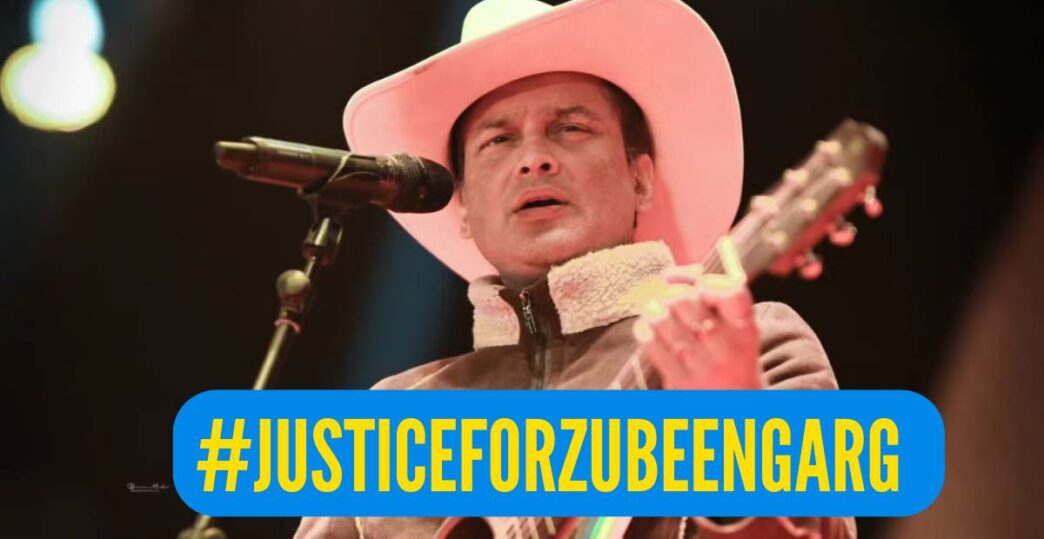
What started as a wave of shock and heartbreak after the death of Assam’s most loved singer, Zubeen Garg, has now turned into one of the world’s largest social media movements. The hashtag #JusticeForZubeenGarg has united more than 1.4 million people online, all demanding the same thing; the truth about what really happened to their “Zubeen Da.” From Instagram to X (Twitter), and from Facebook to YouTube, this campaign has become the voice of an entire generation asking for justice and transparency.
Zubeen Garg died in Singapore on September 19, 2025, after what was described as a scuba-diving accident. He was there to perform at the North East India Festival, which was meant to promote Assamese culture and music. The Singapore police initially said that he drowned during the dive. But the news didn’t sit well with his fans back home. Many felt that the explanation was too simple, too quick, and didn’t match the person they knew. Zubeen was known to be careful and full of life. His supporters started asking questions about who was with him that day, what exactly happened on the yacht, and how the situation was handled by those around him.
In just a few days, social media was flooded with messages, photos, and emotional tributes. The hashtag #JusticeForZubeenGarg became a rallying cry. Thousands of young people, artists, and fans began posting daily. Within a week, it crossed one million posts making it one of the biggest online movements in India and even in the world. But this campaign didn’t stay limited to social media. Soon, people took to the streets of Assam. Peaceful candlelight marches and musical tributes turned into large-scale protests, as supporters demanded a proper investigation into the singer’s death. 
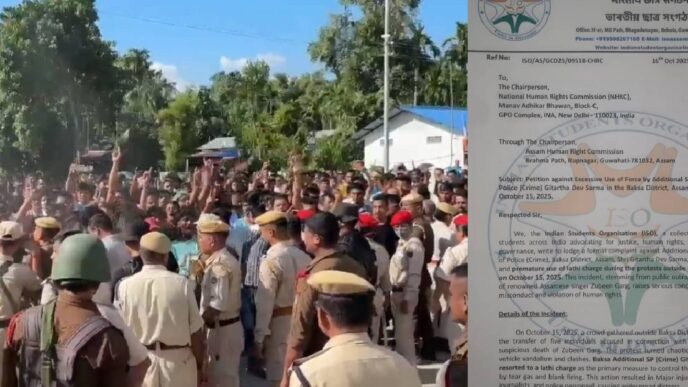
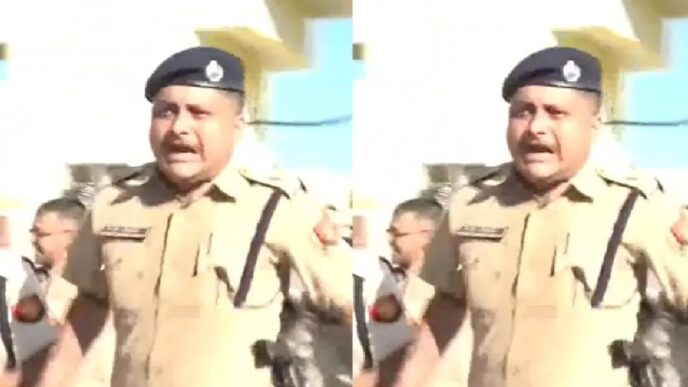
The situation grew tense when protests spread to several districts. In Mahmara, under Charaideo district, thousands of people joined a massive rally led by the Tai Ahom Students’ Union. The crowd sang Zubeen’s songs, raised slogans, and held banners that read “We want justice.” At the same time, in Baksa, violence broke out when supporters gathered outside the district jail as five accused persons linked to the case were being moved into judicial custody. Stones were thrown, police vehicles were set on fire, and the administration imposed Section 144 to prevent further clashes. The protests soon became not just about Zubeen’s death, but also about a growing sense of distrust in official investigations.
To understand why the movement has spread so deeply, one must understand who Zubeen Garg was to the people of Assam. He was not just a singer; he was a symbol of Assamese identity, pride and emotion. Known for songs like Mayabini Ratir Bukut, Ya Ali and hundreds of regional hits, Zubeen’s music touched every home in the state. He sang in Assamese, Bengali, Hindi, and other languages, breaking barriers and bringing Northeast India into the national spotlight. For more than two decades, he stood as the cultural face of Assam. His sudden death, therefore, felt deeply personal to millions. When his body arrived in Guwahati, thousands lined the streets to pay their last respects. Shops were closed, traffic stopped, and the city fell silent. People wept openly as his songs played from loudspeakers across neighborhoods.
His wife, Garima Sakia Garg, has publicly appealed for a fair and transparent investigation, saying that all she wants is the truth. Many of his close friends and artists from the film and music industries have joined the campaign online. Several Assamese singers, actors, and writers have posted emotional notes saying that Zubeen’s voice must not fade away without answers.
Every evening, new videos and photos flood social media with the same message — “1.4 million hearts united.” In Guwahati’s markets, cafes, and even on auto-rickshaw bumpers, stickers bearing Zubeen’s face and the words “Justice for Zubeen” can be seen everywhere. From Siliguri to Shillong, young people are posting reels of his songs, urging everyone not to forget him. Many compare the campaign to earlier digital movements like #JusticeForSidhumoosewala, which had over 400,000 posts, but the Zubeen movement has crossed even that, making it one of the biggest ever from India’s Northeast.
For now, the hashtag continues to trend daily, reaching not only across India but also among Assamese communities abroad in London, Dubai, and the United States. Supporters have organized online concerts, poetry readings, and candlelight vigils streamed live on social media. The movement has become a symbol of unity, showing how deeply one man’s art and spirit touched millions.