
President Donald Trump is set to embark on a major trip to Asia later this week, raising questions about what this journey might mean for U.S. foreign relations and the global economy. The trip, which includes stops in Malaysia, Japan, and South Korea, comes at a critical time as Trump tries to navigate trade tensions, regional conflicts, and diplomatic challenges.
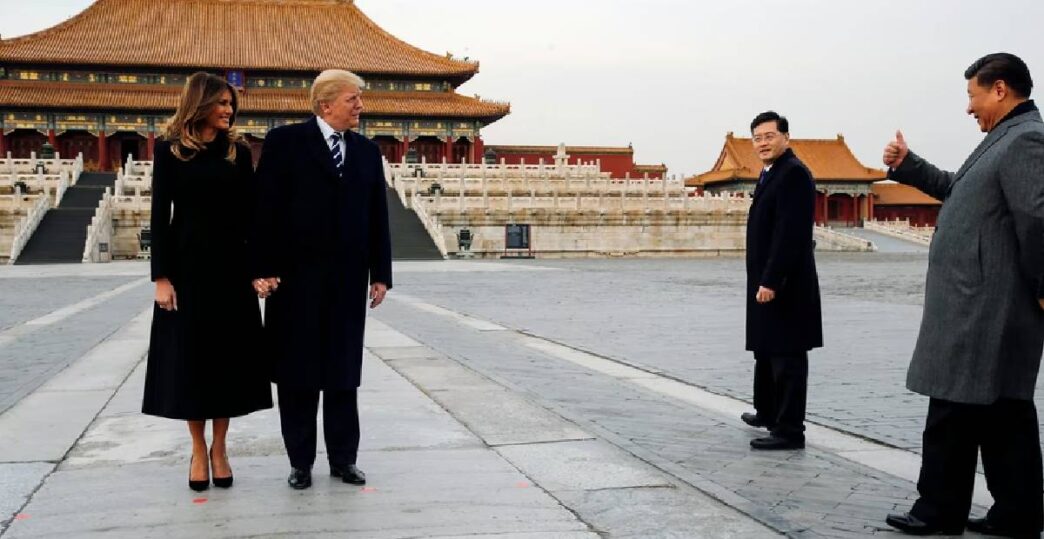
The stakes are high. Analysts warn that the outcome of Trump’s meetings, especially with Chinese leader Xi Jinping, could have far-reaching effects on world markets and American industries already shaken by past tariffs, government layoffs, and political uncertainty. Any misstep could reverberate through the global economy.
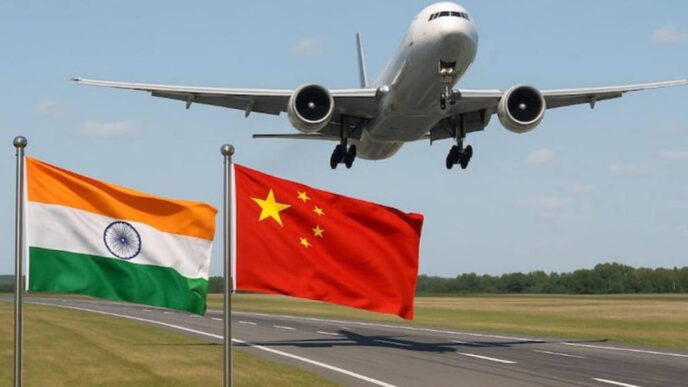
Trump has not released a full itinerary, adding an unusual layer of mystery to the trip. He confirmed that he will attend the ASEAN summit in Malaysia, meet with Japanese officials to encourage foreign investment, and visit South Korea to address trade issues. A meeting with Xi in South Korea is anticipated but not confirmed, with both countries recently exchanging warnings over tariffs and export restrictions. 
“I have a very good relationship with President Xi of China,” Trump told reporters, adding that he is ready to reduce tariffs if China agrees to certain demands. These include buying U.S. soybeans, limiting fentanyl precursor exports, and easing restrictions on rare earth minerals essential for technology manufacturing. “I think we’re going to end up having a fantastic deal with China,” Trump said confidently, emphasizing that the agreement would benefit the world.