

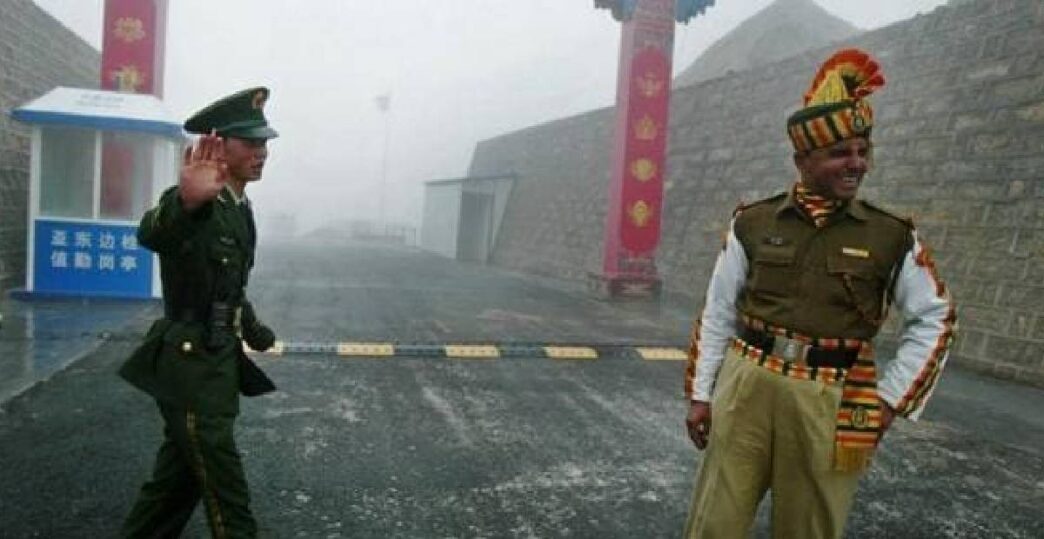
Sikkim, India’s small but strategically important state, continues to enjoy peace in terms of territorial claims with China. Unlike other border areas where disputes flare up regularly, Sikkim does not have an active territorial disagreement, and both nations generally accept the Line of Actual Control here.
The region remains sensitive due to its proximity to the Chumbi Valley in Tibet, which gives China a strategic advantage over India. According to a report by StratNewsGlobal titled “Disputed-II: No India-China Discord Over Sikkim, But Border Resolution Problematic” (https://stratnewsglobal.com/india/disputed-ii-no-india-china-discord-over-sikkim-but-border-resolution-problematic/
), China has so far avoided discussing Sikkim’s borders officially. Its focus seems to be on gaining access through the Chumbi Valley and opening trade routes from Khamba Dzong in Tibet to Nathu La in Sikkim, which could provide faster access to the Bay of Bengal and markets in eastern India and Bangladesh.
The Chumbi Valley, shaped like a dagger pointing at India, allows China to station troops strategically and poses a potential threat to the Siliguri Corridor, or the “Chicken’s Neck,” a narrow 20 km-wide strip linking India’s northeast to the rest of the country. To safeguard this crucial corridor, India has strengthened military presence and infrastructure while coordinating closely with Bhutan. 
Sensitive zones like Doklam and Duktengang continue to draw attention. During the 2017 standoff, China tried to alter the tri-junction boundary with Bhutan, prompting Indian intervention. While the area remains frozen, China has been gradually consolidating its presence in north Doklam, constructing tunnels, helipads, and settlements for Tibetan residents, signaling the importance of a future Bhutan-China boundary agreement.
Security in the Siliguri Corridor is further challenged by local insurgent groups, illegal crossings, and cross-border threats. Infrastructure such as roads, power lines, and pipelines adds to its strategic importance. Indian authorities maintain strict vigilance, ensuring coordination among the Army, Central Armed Police Forces, and state agencies to secure the region in times of potential conflict.