

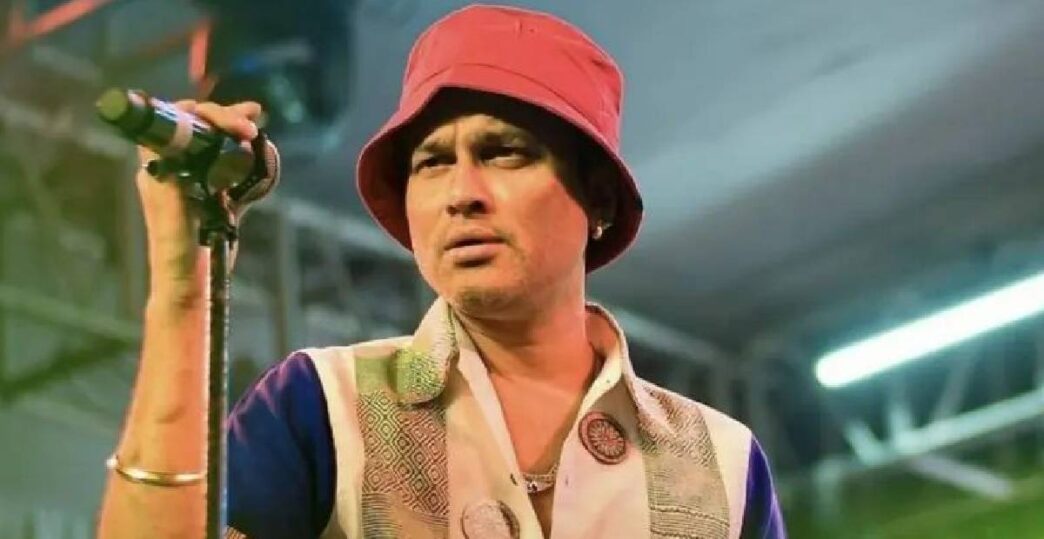
The digital campaign demanding transparency and accountability in the death of beloved singer Zubeen Garg has crossed a staggering milestone: the hashtag #JusticeForZubeenGarg has now been used over 4 million times across social-media platforms, marking a new chapter in the public’s quest for answers.
Launched in the wake of the singer’s untimely death in Singapore on September 19, the campaign gained momentum rapidly. According to regional media, the hashtag had already crossed 2 million posts within a month of his death. With the latest surge, it reflects not just mourning but a sustained, global voice demanding justice.
What began as personal grief among fans in Assam soon expanded into a digital uprising. Users across India and abroad posted images, concert clips, and rememberances of Zubeen Garg — sharing memories, raising questions and refusing to accept what many view as an oversimplified explanation of his death. Social-media platforms have become the stage for collective expression—Instagram reels of his songs, Facebook posts of his interviews, X (formerly Twitter) threads demanding probe details. 
The latest figure of 4 million posts underscores the depth of the public’s engagement. For many, this is not simply a tribute but an insistence on accountability. Leaders from civil-society groups, fan clubs, and cultural organisations in Assam have echoed these sentiments—calling for disclosure of autopsy findings, full cooperation between Indian and Singaporean authorities, and a transparent investigative process.
In Singapore, the government has taken note of the volume of posts. According to reports, Singapore’s diplomatic mission in New Delhi raised concerns after thousands of comments using the hashtag appeared on the official social-media page of Prime Minister Lawrence Wong. This illustrates the international ripple effect of the campaign—what began regionally has drawn attention across borders.
Meanwhile, in Assam the mood is sombre yet unyielding. At the singer’s final resting place near Guwahati, fans continue to gather, turning the site into a symbolic shrine. At the same time, online posts have become a rolling archive of his life and legacy: behind-the-scenes moments, rare interviews, spontaneous fan-performances. As one fan noted, “Every post is a note of the song he still sings in our hearts.”
The campaign’s emotional heft is matched by its organisational dimension. Fan clubs in Assam and the diaspora have coordinated awareness drives, online poster campaigns and digital memorials. Cultural events in his memory are being planned in major cities and abroad. The campaign’s anatomy—grief turned into activism, memories turned into demands—is being studied in media reports as a new form of hashtag justice.
For many in Assam, Zubeen Garg was more than a singer: he was a cultural icon who bridged languages and regions, giving voice to Assamese cinema and music across decades. His sudden passing left a void; the 4 million-plus posts suggest many are unwilling to move on without knowing what happened. His wife, Garima Saikia Garg, has publicly appealed for a fair and transparent probe.
The question now is whether the momentum of the digital campaign can translate into concrete outcomes. Will the investigations deliver clarity? Will the families and the fans receive answers? Or will the 4 million posts become just another hashtag echoing in the void?
What is clear: the movement is not slowing. With each post, each share, each comment, the memory of Zubeen Garg remains alive and the demand for justice grows louder. For the singer’s admirers, this is not just a farewell—it is a fight for truth.