
Kaziranga National Park has opened its Kohora range for tourists from today, marking the start of the new tourist season. Kohora, a small town in Golaghat district, serves as the main gateway to the world-famous Kaziranga. The town lies on the busy National Highway 37, also known as Asian Highway-1, between Nagaon and Golaghat. With the opening of the park, tourists from Assam, other states, and abroad have started arriving to enjoy wildlife sightings and fresh winter mornings inside the forest.
Kaziranga National Park is known across the world for the one-horned rhinoceros. The park is a UNESCO World Heritage Site and draws thousands of visitors every year. People come here to see many wild animals, including rhinos, elephants, deer, tigers, and many varieties of birds. The park’s landscape includes tall grasslands, wetlands, shallow lakes, and dense forest patches. This natural beauty and wildlife make Kaziranga one of the most loved destinations for nature lovers.
The Assam government has revised the elephant safari prices in all national parks and wildlife sanctuaries in the state. The new rates came into effect from November 1, 2025. This is the first major price change in ten years. The decision was announced by the Environment, Forest and Climate Change Department in a notification issued on October 30. 
Under the new rates, Indian tourists will now have to pay ₹1,200 per seat for an elephant safari. Earlier, the cost was ₹750. Foreign tourists will now pay ₹2,000 per seat, which was earlier ₹1,250. Officials said the price revision was necessary due to rising operating and maintenance expenses. Elephant owners had been requesting a revision for a long time, stating that feeding and maintaining elephants had become costlier.
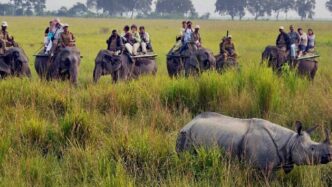
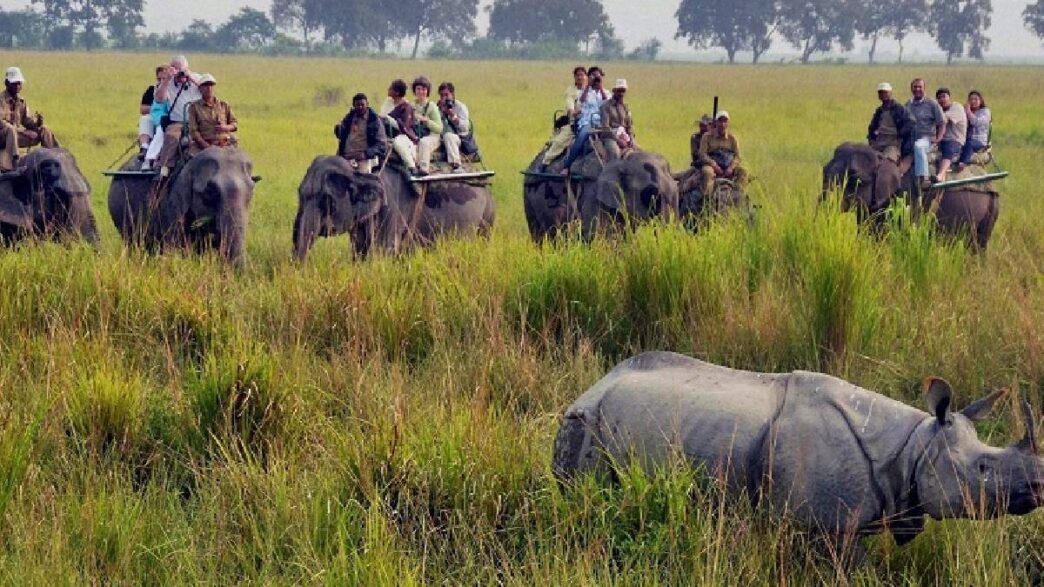
Park officials said private elephants play an important role in tourism and also help forest departments in managing tourist movement and conservation activities. Around 40 to 50 private elephants operate inside Kaziranga during each tourist season. Many visitors prefer elephant rides because it gives a closer and unique view of the wildlife and grassland areas.
Apart from the safari charge, visitors also have to pay entry fees and other small charges. After adding all components, an Indian tourist now pays about ₹1,350 per seat for the full experience, while foreign visitors pay around ₹2,700. The government has also directed the Chief Wildlife Warden and senior forest officials to ensure smooth implementation of the new rates.
Along with the Kohora range opening for tourists, Kaziranga has also restarted elephant safaris in the Western Range (Bagori) and the Burapahar-Ghorakati range from today for the 2025-26 season. These two ranges are popular among tourists for spotting rhinos, swamp deer, and wild buffaloes. Many visitors also get a chance to see elephants in their natural habitat during early morning rides.
Forest staff said safaris will run every morning and visitors must arrive early to secure their seats. Since the number of elephant safari seats is limited, advance booking is advised. Jeep safaris are also available in all four ranges of Kaziranga — Kohora, Bagori, Agaratoli, and Burapahar. Jeep safari services start early morning and continue till evening, allowing visitors to explore deeper areas of the forest.
Kaziranga is one of India’s most important wildlife parks. It is home to the largest population of one-horned rhinos in the world. The park has also seen an increase in tiger numbers in recent years, making it a key tiger conservation area. Many rare and endangered birds are also found here, attracting birdwatchers from around the world.
Tourism plays a big role in supporting the local economy. Hotels, lodges, small shops, tea stalls, transport services, and local guides depend on the tourist season for income. The reopening of Kaziranga brings relief and hope to local communities, especially after the monsoon period when the park remains closed due to heavy flooding and wildlife movement.