
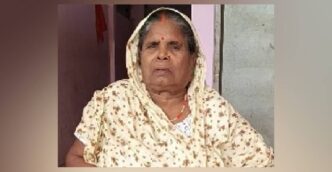
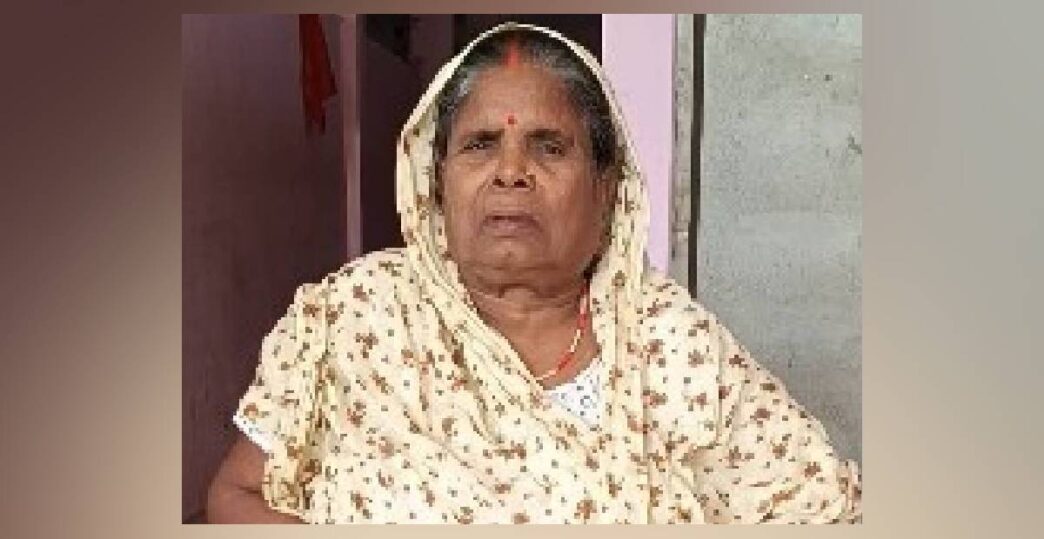
An incident from an old-age home in Jaunpur has shocked many people and sparked a debate about how families treat their elderly parents. A 65-year-old woman, Shobha Devi, who was originally from Gorakhpur, died on 19 November 2025 after a long illness. But what happened after her death left the old-age home staff and neighbours deeply disturbed.
According to the old-age home authorities, Shobha Devi’s elder son refused to bring her body home because a wedding was taking place in their family. He reportedly told the staff to keep the body in a deep freezer for four days and said that bringing the body home during the celebrations would be inauspicious. He said he would only take the body after the wedding was over. This response left the staff shocked and caused great pain to her husband, Bhual Gupta.
Later, some other relatives stepped in, and the body was finally taken to Gorakhpur. But instead of performing the last rites immediately, the family reportedly buried the body temporarily. They claimed they would exhume the body after the wedding and then cremate it, which further angered local people and raised serious concerns about respect for elders and traditional funeral practices. 
Shobha Devi and her husband Bhual Gupta had been living in the Jaunpur old-age home for nearly a year. They had left their home in Gorakhpur after a family dispute. Bhual, who used to run a small grocery shop in Bharoiya village in the Campierganj area, said that their elder son and daughter-in-law asked them to leave the house, calling them a burden.
Deeply upset, the elderly couple even attempted to end their lives by sitting near a railway track. Some passersby stopped them and asked them to look for help in other cities instead. The couple then travelled through Ayodhya and Mathura before finally finding shelter in the old-age home run by social worker Ravi Kumar Choubey.
At the shelter, Shobha Devi received medical care for serious illnesses, including leg problems and kidney-related complications. She was being treated regularly at a private hospital. However, her condition worsened on 19 November, and she passed away during treatment. Her husband informed their younger son, who then discussed it with the elder son.
It was at this point that the elder son made the shocking request to keep the body in a freezer for four days due to the wedding at home. The old-age home staff said they had never heard such an instruction from a family before.
The old-age home head, Ravi Kumar Choubey, said that not once during Shobha Devi’s stay did any of her sons visit her. He said the staff felt deeply hurt by the elder son’s refusal to take the body immediately and felt that the mother’s dignity had been ignored even after her death.
Family members who were later informed said they wanted to see her one last time. After the four-day delay demanded by the elder son, the body was taken to Gorakhpur. But instead of cremation, the temporary burial raised new questions and concerns in the community.
This incident has once again highlighted the growing concerns about how elderly parents are treated, especially when families face disputes or property issues. Many people in the community said that abandoning parents and ignoring their basic dignity is becoming a worrying trend.
India has several laws meant to protect senior citizens. The Maintenance and Welfare of Parents and Senior Citizens Act, 2007, requires children to take care of their parents and provide financial support. If children fail to do so, parents can approach special tribunals for help. The Act also asks state governments to set up old-age homes in every district.
In 2019, changes were made to the Act to widen the definition of who must provide support. These changes included adoptive children, stepchildren and even in-laws. The amendment also included special police units for the protection of senior citizens and made it necessary for hospitals to provide priority services to elderly people.
Apart from this, the government runs schemes like the Indira Gandhi National Old Age Pension Scheme and the Rashtriya Vayoshri Yojana, which help older people with financial support and assistive devices. Under Ayushman Bharat health insurance, elderly citizens also receive healthcare coverage