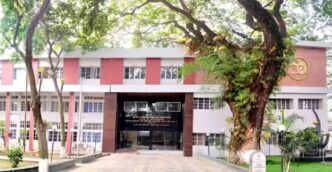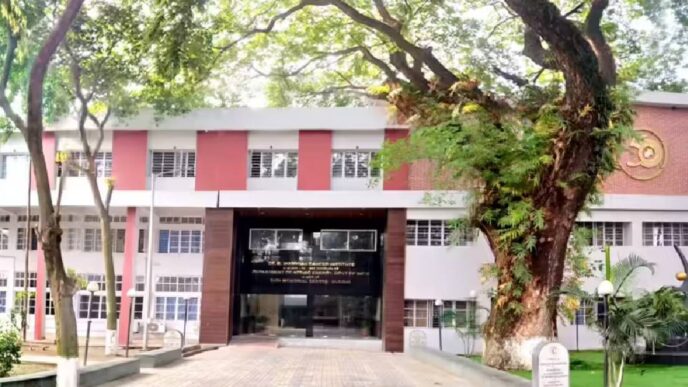


The Kuki Students’ Organisation–General Headquarters (KSO-GHQ) has urged the Governor of Manipur to intervene urgently in what it has described as continued discrimination, administrative neglect and exploitation faced by Kuki-Zo students and employees at Indira Gandhi National Tribal University – Regional Campus Manipur (IGNTU-RCM).
In a formal representation submitted on January 12, 2026, the apex student body drew attention to the hardships being faced by Kuki-Zo students and university staff who were forced to flee the IGNTU-RCM campus at Makhan in Kangpokpi district following the outbreak of ethnic violence in Manipur in May 2023. The organisation stated that, due to serious security concerns, all Kuki-Zo students and employees had to leave the campus and have since been living as internally displaced persons.
According to the KSO, despite being displaced, Kuki-Zo students have continued to pursue their studies under extremely difficult conditions, while employees have attempted to discharge their professional duties without proper institutional support. However, the organisation alleged that the university’s administrative functioning has continued from Imphal at different intervals, effectively benefiting non-Kuki-Zo communities while excluding displaced Kuki-Zo students and staff from equal access to academic and administrative facilities. 
The KSO described this situation as deeply unfair and discriminatory. It stated that such selective functioning of the university defeats the very objective for which IGNTU-RCM was established. The organisation stressed that the regional campus was meant to serve all tribal communities of Manipur equally and without bias, and not to exclude any particular group based on prevailing circumstances.
In its memorandum, the student body warned that continued denial of equal access to university facilities and decision-making processes would further erode trust among affected communities. It added that the ongoing situation has not only disrupted academic life but has also caused serious mental and emotional distress to students who are already dealing with displacement and uncertainty.
To address the issue, the KSO demanded the immediate establishment of a temporary IGNTU-RCM administrative office in Churachandpur district. The organisation said such an arrangement would greatly ease academic and administrative challenges faced by displaced Kuki-Zo students. It would also enable Kuki-Zo employees to perform their official duties in a fair and dignified manner, without having to depend on arrangements that currently exclude them.
Apart from student-related concerns, the KSO also highlighted what it termed as the prolonged exploitation of Guest Faculties in the Departments of Tribal Studies and Sociology & Social Anthropology at IGNTU-RCM. According to the representation, several guest teachers have been serving the university continuously since 2013 without being given a single opportunity for permanent recruitment.
The organisation stated that these Guest Faculties have been performing duties that are equal to those of regular faculty members, including teaching, evaluation, academic coordination and other administrative responsibilities. Despite this, they continue to work on a temporary basis, with no job security and limited benefits.
“It is a matter of grave concern that no permanent recruitment has taken place since 2013, while Guest Faculties continue to shoulder full academic and administrative responsibilities. This amounts to sheer exploitation,” the KSO said in its submission.
The student body appealed to the Governor to take immediate steps to address both the discrimination faced by displaced Kuki-Zo students and staff, as well as the long-pending issue of guest faculty recruitment. It warned that continued inaction could further marginalise already vulnerable sections of the university community and weaken the academic environment of the institution.