

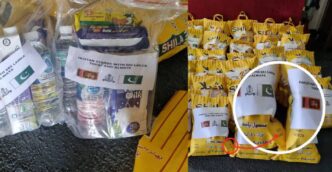
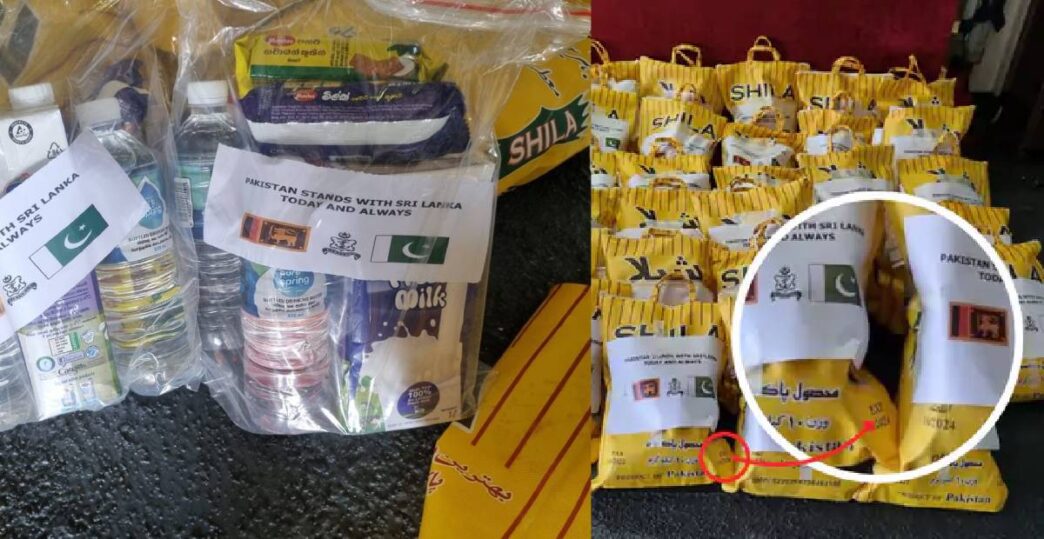
A major diplomatic controversy has erupted after Sri Lankan authorities found that a relief shipment sent by Pakistan contained expired food items and medical supplies. The consignment, meant for people affected by the recent floods caused by Cyclone Ditwah, has triggered widespread anger across Sri Lanka and criticism from several countries.
The issue came to light soon after the Pakistan High Commission in Sri Lanka posted on social media on November 30 that Pakistan had delivered relief packages to help families hit by the severe floods. The post described the assistance as a symbol of “unwavering solidarity” and claimed that Pakistan stood with Sri Lanka “today and always.” However, within hours, photos of the relief packages began circulating online, showing expiry dates that had already passed in October 2024.
Sri Lankan officials inspected the shipment immediately after its arrival and raised what they described as “serious concern” with the country’s disaster management and foreign affairs departments. The expired items included sacks of flour, rice, packaged food, milk powder, medical kits and other essentials that were supposed to be distributed to flood-affected communities. Officials in Colombo said many of the items could not be used at all, especially during a time when people are struggling for safe food, clean water and basic care. 
Sources in Colombo said the government has already conveyed its displeasure to Islamabad through both formal and informal channels. Several senior officials have stated that this incident has raised doubts about Pakistan’s sincerity and competence in providing emergency assistance. They added that Sri Lanka is going through one of the worst natural disasters in its recent history, and receiving unusable aid at such a time is deeply disappointing.
Pakistan’s Ministry of Foreign Affairs has so far not issued any official statement. However, reports from Islamabad suggest that the lapse may have occurred due to a “logistical oversight” by a third-party supplier involved in packing or storing the relief materials. This explanation has not eased concerns in Colombo, where authorities say humanitarian aid must follow strict quality standards, especially when millions of people depend on it for survival.
The incident has also revived memories of earlier controversies involving Pakistan’s relief diplomacy. During the 2015 Nepal earthquake, Pakistan faced public anger for sending beef-based ready-to-eat meals to the Hindu-majority nation, leading to accusations of cultural insensitivity. Civil society groups in Sri Lanka are now drawing parallels between the two episodes, saying that the latest mistake once again shows a lack of care in Pakistan’s aid efforts.
On social media, reactions have been even stronger. Many Sri Lankan users called the expired aid “an insult” and “a careless act.” Some said the shipment looked like an attempt to dispose of old stock rather than genuine humanitarian assistance. Others demanded that the Sri Lankan government take up the matter directly with Islamabad and ensure accountability.
The controversy has also come at a time when Pakistan has been attempting to build influence in the Indian Ocean region. Observers say the discovery of expired items has damaged Pakistan’s image at a sensitive moment and raised new questions about the quality of the support it claims to provide. Analysts note that aid diplomacy is an important tool for building trust, and any lapse can have long-lasting implications.
Meanwhile, the humanitarian crisis in Sri Lanka continues to worsen. Flooding caused by Cyclone Ditwah has killed at least 390 people, while more than 350 remain missing. Over 1.1 million people have been affected, and nearly 200,000 residents have been forced to leave their homes. President Anura Kumara Dissanayake has declared a state of emergency and described the situation as the most challenging disaster the country has faced in two decades.
Other countries in the region have stepped in to support Sri Lanka. India has launched Operation Sagar Bandhu, sending 53 tons of relief materials, including food, tents, blankets, medicines and hygiene kits. Two Indian Navy ships and multiple Indian Air Force aircraft have been deployed. India also approved an overflight request from Pakistan within four hours, allowing a Pakistani aircraft carrying relief supplies to pass through Indian airspace on December 1.
Cyclone Ditwah, named by Yemen, is the fourth cyclone of the 2025 North Indian Ocean season and is considered the most dangerous storm to hit Sri Lanka in 20 years. Heavy monsoon rains combined with two tropical cyclones have caused severe flooding across Sri Lanka, Indonesia, Thailand and Malaysia. Across the region, more than 1,200 people have died.
In response to the latest incident, Sri Lankan authorities have said they will now strengthen inspection procedures for all incoming aid. Officials stated that greater scrutiny will be applied to shipments from countries that have previously sent inappropriate or low-quality supplies. They stressed that during a national emergency, safety and reliability of relief materials must remain the top priority.