


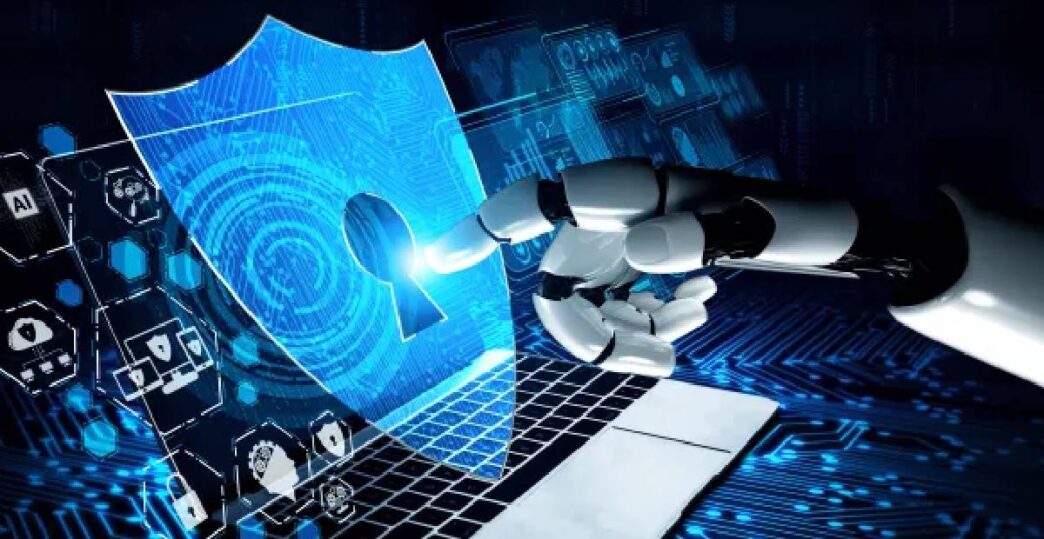
Artificial intelligence (AI) is growing fast, and it is changing how we handle cybersecurity. AI can help make security better, but it also brings new problems. AI is like a smart helper that learns from data. It can look at huge amounts of information quickly, something humans can’t do as fast. As AI gets better in 2025, it is increasingly utilized in security tools. For example, companies like Darktrace say 95% of security experts think AI makes stopping attacks faster and better. But attackers are using AI too, making threats bigger. A report from Accenture shows that AI helps hackers get past old security systems and attack on a huge scale. This creates an “arms race” where both sides use AI.
AI makes threat detection stronger. It can watch network traffic and spot weird patterns right away, like someone trying to log in from a strange place. This is called real-time detection. AI also helps with automated responses. If it finds a virus, it can block it or isolate the bad part without waiting for a person. Another plus is predictive analytics. AI looks at old attacks to guess new ones, like in banks, where it spots fake logins early. It reduces false alarms too, so security teams don’t waste time on nothing. AI handles big data well, which is key because we make more data every day. In 2025, Forbes says AI helps spot threats in clouds and edges, making networks safer. Overall, AI makes security faster, smarter, and less work for people.
But there are other sides too. As AI grows, it helps cybercriminals. They use AI for better attacks, like making fake emails or voices (deepfakes) to trick people. This is called AI-powered phishing. Harvard experts say AI lets anyone start attacks easily, even without skills, and companies can lose millions fast. Another problem is adversarial attacks. Over time, people might rely too much on AI and forget how to think for themselves. In 2025, 78% of security leaders say AI threats are hitting their groups hard, but only half feel ready. 
Avoid sharing sensitive data with AI tools to protect privacy. Use strong passwords, multifactor authentication, and keep software updated. Keep humans involved in decisions to catch what AI misses.
AI is a tool, not the boss.
About the author:
Alisha Purti is a media professional with experience in news production, digital storytelling, and content strategy. Having worked with Doordarshan Kendra and Inside Northeast, she brings a keen understanding of how narratives shape public perception. Passionate about creativity and social impact, she explores the intersection of media, technology, and culture in her writings.