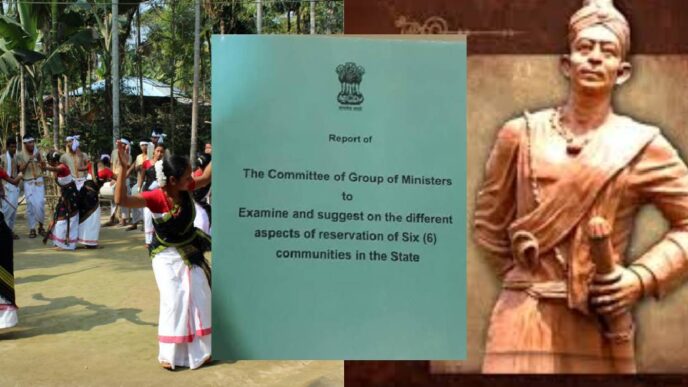

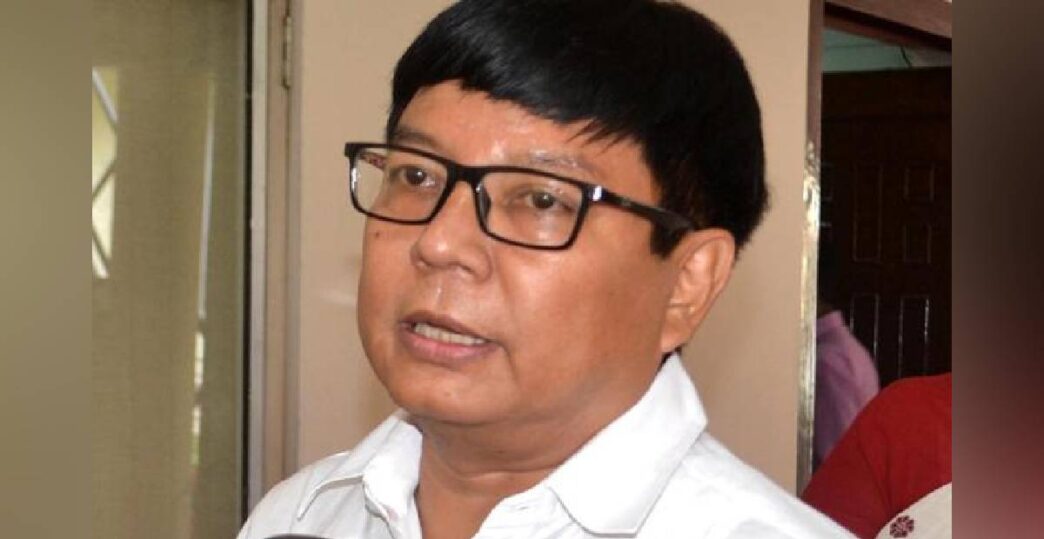
Leader of the Opposition (LoP) in the Assam Legislative Assembly, Debabrata Saikia, has clarified that granting Scheduled Tribe (ST) status to communities in the state is solely the responsibility of the Central Government. His remarks came following the Assam Cabinet’s recent decision to approve a report recommending ST status for six communities in the state.
Speaking on the issue, Saikia highlighted that the matter has been under review at the national level for decades. “In 1996, an all-party committee visited Assam and met with all stakeholders including those demanding ST status and those opposing it. The committee’s final assessment recommended ST status not only for these six communities but also for the Hajong and Singpho communities,” he said. He added that the committee had designed a framework to ensure that the rights and reservations of existing Scheduled Tribes would not be affected. “It was considered a very good solution,” he recalled.
Saikia further noted that in 1998, then Congress President Sitaram Kesri and other leaders introduced private member bills in Parliament to push the proposal forward. However, these bills were rejected. Later, when the Congress formed the Assam government in 2001, two separate resolutions were passed in support of granting ST status to all six communities. Despite these efforts, the matter was never finalized by the Central Government. 
In addition to the ST status issue, Saikia raised concerns over several public welfare matters during the Winter Session of the Assam Assembly. He said that he had asked questions regarding the condition of roads and pathways in the Nazira constituency, but responses to these questions were not provided in the House. “The issue of roads and pathways directly affects the daily lives of common people. It is disheartening not to receive answers on matters raised for public interest. In the coming days, I will continue to raise every issue concerning public interest in the House,” he said.
Saikia also highlighted the condition of state prisons, the difficulties faced by female inmates, and the need for legal aid for poor prisoners. He urged the government to take proper measures so that no impoverished person is forced to remain in jail due to lack of financial means. “It is important to ensure that justice is accessible to all, and that people are not penalized simply because they are poor,” he said.