
With air pollution continuing to pose a serious health risk, the Delhi government has directed all government offices and private establishments in the city to ensure that only 50 per cent of their staff attend offices physically, while the remaining employees work from home. The decision has been taken as part of emergency measures under Stage III of the Graded Response Action Plan (GRAP).
The order was issued by the Delhi government’s Environment Department under Section 5 of the Environment (Protection) Act, 1986. It applies to all government departments, autonomous bodies, and private offices operating within the National Capital Territory of Delhi.
According to the order, all administrative secretaries and heads of departments will continue to attend office on a regular basis. However, the total number of staff physically present in offices must not exceed 50 per cent of the sanctioned strength. The remaining employees are required to work from home until further instructions are issued. 
The same rule has been made mandatory for private offices. All private establishments functioning in Delhi have been instructed to allow no more than half of their staff to attend the workplace physically. The rest of the workforce must work from home. The government has made it clear that this is not optional and must be strictly followed.
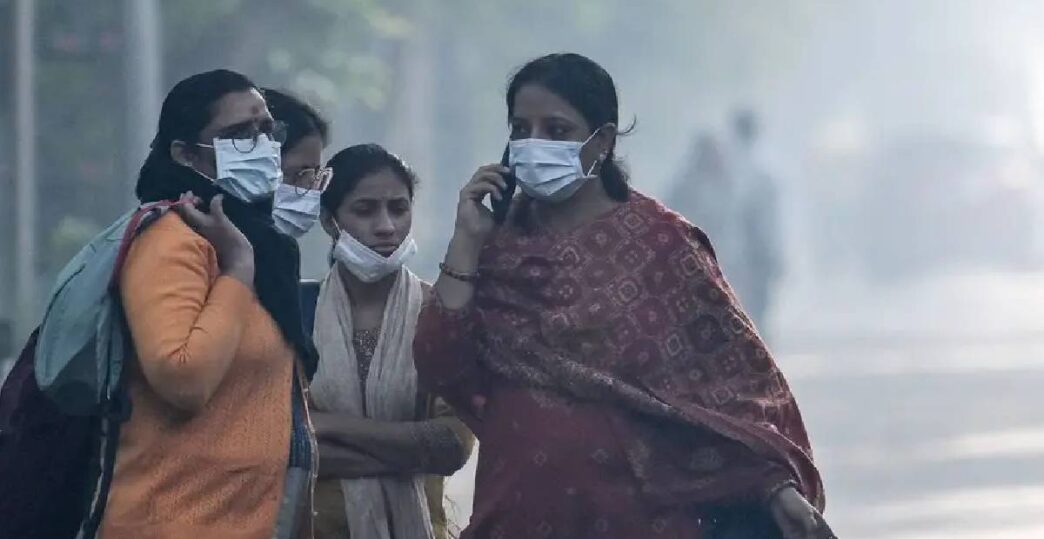
Officials said the move aims to reduce vehicular traffic on city roads and limit exposure of people to hazardous air, as pollution levels have remained dangerously high over the past several days. Delhi’s Air Quality Index (AQI) has continued to hover in the “very poor” to “severe” category, raising concerns over respiratory illnesses and other health problems, especially among children and the elderly.
The government has also warned that violations of the order will attract strict action. Departments and private offices found flouting the 50 per cent work-from-home rule may face penalties, including fines, under relevant environmental laws. Authorities have been asked to monitor compliance and report violations.
This is not the first time such a measure has been enforced this season. On November 24, amid a sharp spike in pollution levels, the Delhi government had issued similar directions requiring both government and private offices to implement a 50 per cent work-from-home policy. That order was also issued under the same legal provisions and as part of GRAP Stage III restrictions.
Environmental experts have repeatedly pointed out that reducing daily commuting can play a key role in cutting down emissions during peak pollution periods. Fewer vehicles on the road help lower the concentration of harmful pollutants, including fine particulate matter that severely affects air quality.
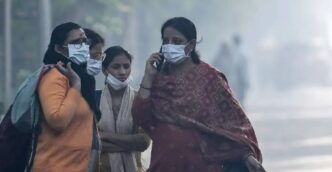
Residents of the city have reported breathing difficulties, eye irritation, and throat infections as pollution levels remain high. Doctors have advised people to limit outdoor activities, use masks when stepping out, and follow government advisories closely.
The Delhi government has said it will continue to review the situation on a daily basis. Further decisions will depend on pollution trends and forecasts provided by monitoring agencies. For now, the work-from-home directive will remain in force as part of the city’s efforts to tackle the ongoing air pollution crisis and protect public health.