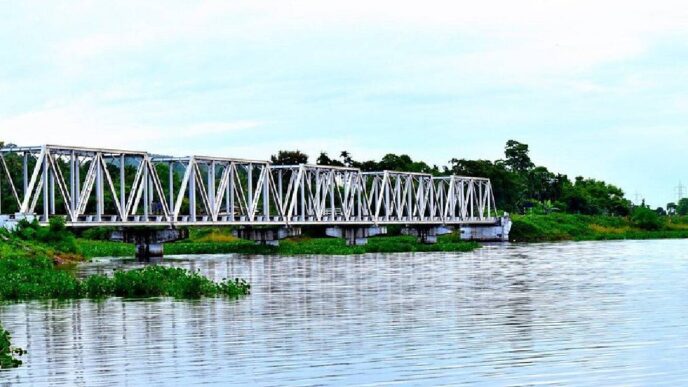



The construction of the Silchar–Saurashtra East–West Corridor four-lane national highway through Assam’s Dima Hasao district once brought progress to the region, but it also left behind stories of loss and long years of hardship. For one woman from the district, the project shattered her dreams and took away her only source of income. After waiting for more than a decade, she now says she is finally able to smile again.
The turning point came on December 7, when the Assam Cabinet, led by Chief Minister Dr Himanta Biswa Sarma, took a crucial decision to provide compensation to families affected by the highway project. The decision covers 834 families from 28 villages between Nirim Bangla and Harengajao, where land and houses were acquired for the construction of the four-lane corridor.
When the highway work began years ago, large stretches of agricultural land were taken over, and homes were demolished. In this hilly district, where farming is the main source of livelihood, the loss of land pushed many families into uncertainty. Farmers who once depended on orchards and small fields suddenly found themselves without income. Some were forced to take up daily wage work, while others had to migrate or depend on relatives to survive. 
One such affected woman recalled how her life changed overnight. Her orange, areca nut and lemon orchard, which supported her entire family, was completely destroyed during the construction work. The orchard was her only means of earning a living, and its loss left her without any regular income. For years, she waited for compensation, hoping that the government would one day recognise her loss.
With no income from farming, she began working as a domestic help in other people’s houses to feed her family. The situation became worse when her husband fell seriously ill. With little money and no support, she struggled to arrange for medicines and treatment. Eventually, her husband passed away, leaving her alone to face life’s challenges.
During this period, she said she was repeatedly told by people that compensation would never come. The long silence and repeated delays pushed her into deep despair. Still, she continued to hope and remained part of the movement demanding justice for the affected families.
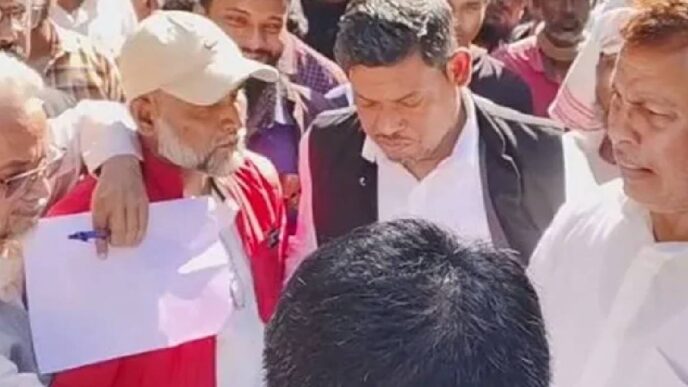
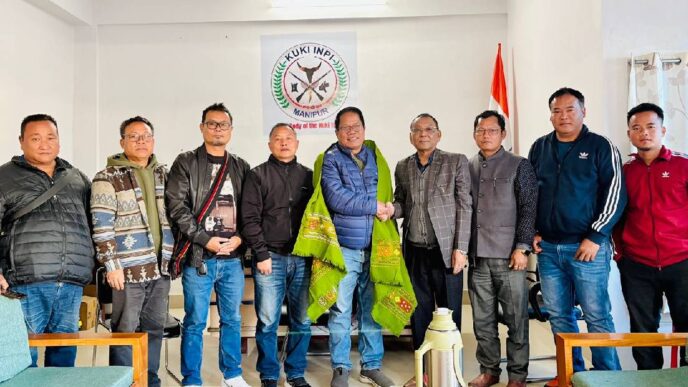
That hope was kept alive through years of sustained efforts by local groups and leaders. The woman said the movement led by Indigenous Students’ Forum president David Kevmor played a key role in keeping the issue alive. According to her, the struggle continued for 11 years before the recent Cabinet decision finally brought relief.
With the announcement of compensation, she now feels that her suffering has at last been acknowledged. “After so many years, I can finally see some light,” she said, expressing relief and gratitude. She thanked Chief Minister Himanta Biswa Sarma for taking the decision and also acknowledged the role of David Kevmor and others who stood by the affected families throughout the long struggle.
People from the 28 affected villages shared similar feelings.Many families who had lost land, homes and livelihoods say the Cabinet’s decision has restored their faith in the system. While the compensation cannot undo the hardships they faced over the years, it offers them a chance to rebuild their lives with dignity.
The Silchar–Saurashtra East–West Corridor is one of the major national highway projects passing through Assam’s hill districts, aimed at improving connectivity and boosting economic activity. However, the experience in Dima Hasao has also highlighted the human cost of large infrastructure projects and the importance of timely rehabilitation and compensation.