
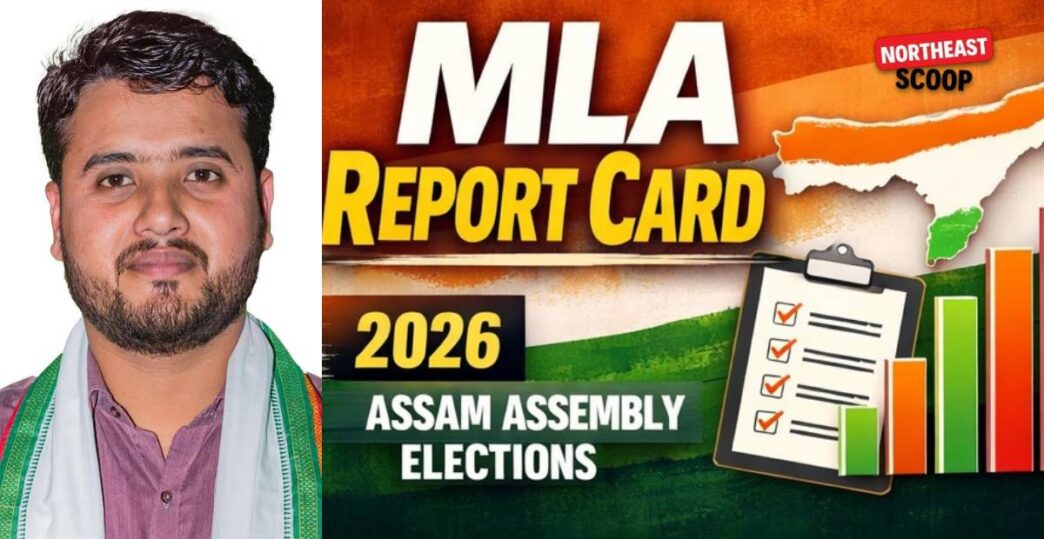
When Ashraful Hussain was elected from Chenga, his rise was seen as a rare political story rooted in activism rather than patronage. Known for his grassroots relief work during the NRC period and his emotional connect through Miya poetry, Hussain entered the Assembly carrying the image of a clean, accessible representative of the marginalised. Four years later, that image is under serious strain.
Ground interactions across Chenga suggest a sharp erosion of public trust, driven less by ideology and more by credibility. Residents point to the absence of visible change in one of Barpeta district’s most deprived constituencies. Erosion continues unchecked, healthcare facilities remain understaffed, and basic infrastructure in char areas shows little improvement. For many voters, the promise of a different kind of politics has given way to disappointment.
The turning point, locals say, came with allegations surrounding cross-voting in high-profile elections. Though no official findings have been made public, widespread claims of financial inducements linked to these votes have deeply damaged Hussain’s moral standing. In village after village, voters cite these allegations as the moment when the “activist MLA” began to look indistinguishable from conventional power politics. 
Further denting his image are persistent accusations of commission-based approvals in development works. Residents allege that contracts and schemes are routed through intermediaries, resulting in substandard construction and reinforcing perceptions of personal enrichment. The contrast between Hussain’s earlier advocacy for the poor and the present allegations has proven particularly jarring for his core support base.
Equally damaging has been the decline in direct public engagement. Char dwellers complain of limited access to the MLA and sporadic outreach, feeding a narrative of political distance and abandonment.
As election season approaches, Chenga offers a cautionary tale of how moral capital, once lost, is difficult to rebuild. Ashraful Hussain’s challenge is no longer just electoral—it is about reclaiming the credibility that once defined his political identity.