
Bangladesh is struggling to return to normal life after several days of violent unrest following the killing of Inqilab Moncho leader Osman Hadi last week. Streets in parts of Dhaka and other towns saw clashes between protesters and security forces, and many shops and public offices remained closed.
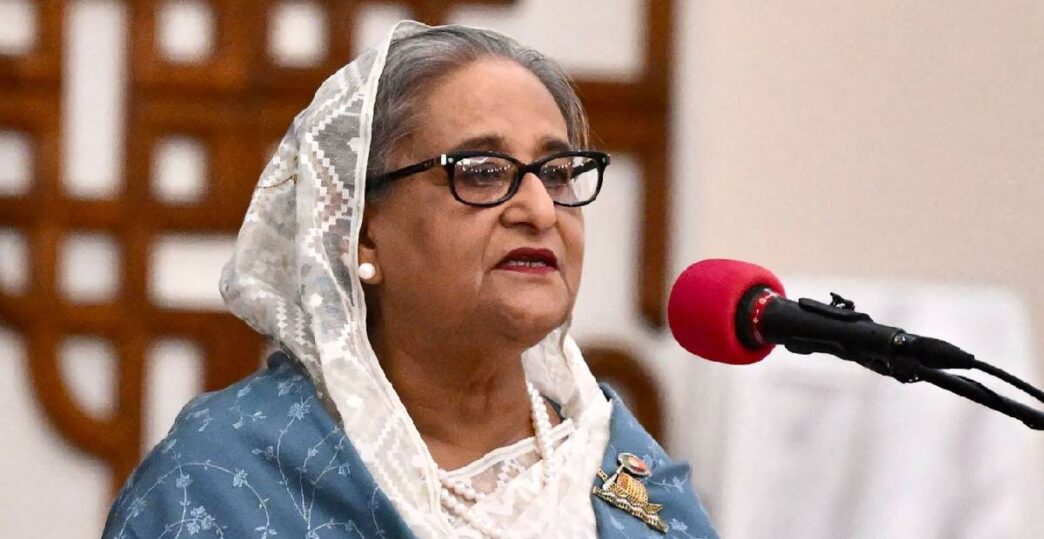
As emotions continue to run high, former Prime Minister Sheikh Hasina has blamed the interim government led by Muhammad Yunus for the current situation. Speaking from India, where she is living in exile, Hasina alleged that the killing of Osman Hadi was a clear sign of what she called a breakdown of law and order under the interim administration.
Hasina said in a statement that the killing “reflects the lawlessness that uprooted my government and has multiplied under Yunus.” She added that violence had become frequent, and that the government was unable or unwilling to prevent it. According to her, the unrest had weakened Bangladesh internally and was also harming relations with neighbouring countries, especially India. 
“This tragic killing reflects the lawlessness that uprooted my government and has multiplied under Yunus. Violence has become the norm while the interim government either denies it or is powerless to stop it. Such incidents destabilise Bangladesh internally but also our relationships with neighbours who are watching with justified alarm. India sees the chaos, the persecution of minorities, and the erosion of everything we built together. When you cannot maintain basic order within your borders, your credibility on the international stage collapses. This is the reality of Yunus’s Bangladesh,” Hasina said.
The former prime minister also accused the interim administration of placing individuals with links to extremist ideologies in powerful positions. She alleged that radicals were using Yunus to gain legitimacy in the eyes of the world, while trying to influence state institutions from within.
“I share this concern, as do the millions of Bangladeshis who prefer the safe, secular state we once were. Yunus has placed extremists in cabinet positions, released convicted terrorists from prison, and allowed groups linked to international terrorist organisations to take roles in public life. He is not a politician and has no experience governing a complex nation. My fear is that radicals are using him to project an acceptable face to the international community while they systematically radicalise our institutions from within,” she said.
According to Hasina, the situation is alarming not only for Bangladesh but for the stability of the entire South Asian region. She said that the secular character of Bangladeshi politics was one of the country’s greatest strengths, and that it must not be sacrificed.
“This should alarm not only India, but every nation invested in South Asian stability. The secular character of Bangladeshi politics was one of our greatest strengths, and we cannot allow it to be sacrificed at the whim of a few idiotic extremists,” she added.
Relations between Bangladesh and India have recently shown signs of tension. New Delhi has expressed concern over attacks on minorities in Bangladesh, including the reported lynching of a Hindu man amid the violence last week. Hasina said that the growing mistrust was caused by decisions made by the interim government, and that India had remained a consistent partner during her time in power.
“The strain you are witnessing is entirely of Yunus’s making. His government issues hostile statements against India, fails to protect religious minorities, and allows extremists to dictate foreign policy, then expresses surprise when tensions rise. India has been Bangladesh’s most steadfast friend and partner for decades. The ties between our nations are deep and fundamental; they will outlast any temporary government. I am confident that once legitimate governance is restored, Bangladesh will return to the sensible partnership we cultivated over fifteen years,” Hasina said.
Hasina further said that the hostility toward India was being fuelled by extremist groups who were being encouraged by the interim government. She said these groups had earlier marched to the Indian Embassy and attacked media offices in Bangladesh. She also accused the administration of releasing hardened criminals, including individuals convicted of terrorist activities.