
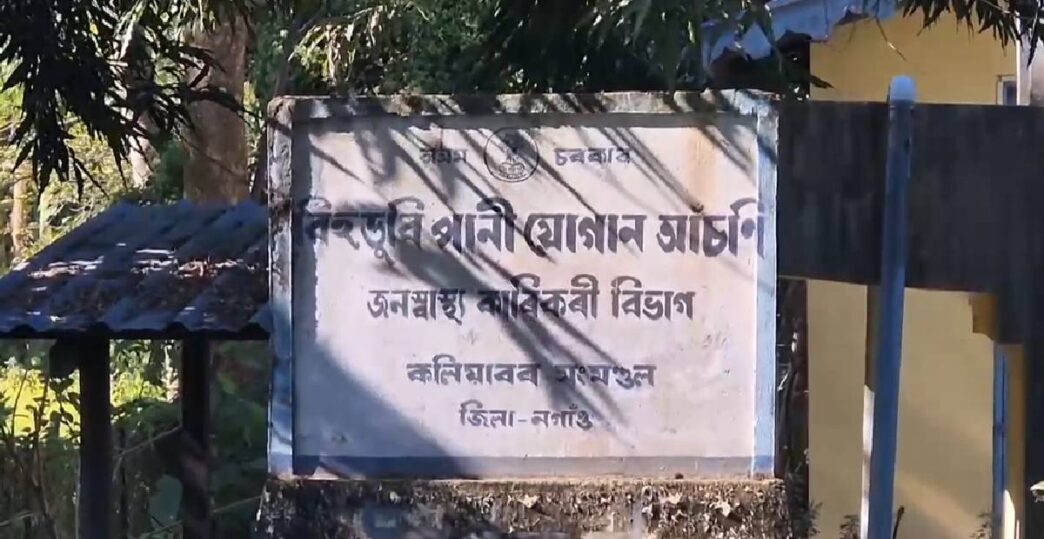
The Jal Jeevan Mission, promoted as a flagship scheme to provide clean drinking water to every household, has failed people in Kaliabor long before the Centre decided to freeze its funds. In the Bihdubi area under Kaliabor, the water supply scheme linked to the mission has remained defunct for nearly eight months, leaving around 250 families without safe drinking water and exposing the deep gap between government claims and ground reality.
Residents say the water crisis did not begin with the Centre’s recent decision to halt fresh funding. The problem, they argue, is much older. The water supply office and pipelines in the area existed even before the Jal Jeevan Mission was launched in 2019. Yet, despite repeated changes in schemes and names, the situation on the ground has remained the same — broken pipelines, idle infrastructure, locked offices, and no accountability.
For months now, taps have run dry. Families are forced to depend on unsafe sources such as ponds, streams, and distant hand pumps. Women and elderly residents walk long distances every day to collect water, often carrying heavy containers. During dry spells, some families are compelled to buy water, adding to their financial burden. Children miss school hours, and daily routines revolve around the search for water. 
Locals say complaints to the concerned department have gone unanswered. Officials have visited the area occasionally, residents claim, but no concrete steps have been taken to repair or restore the scheme. “Pipes were laid, tanks were built, photos were taken. After that, everything stopped,” said a resident. “Only papers show that water is reaching our homes. In reality, nothing is coming.”
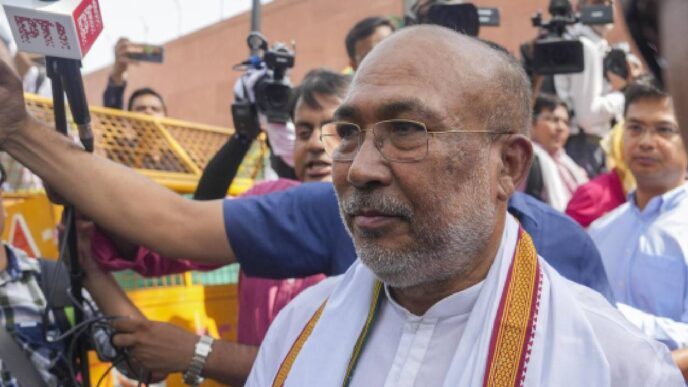
The failure in Bihdubi reflects a wider problem across Assam and the country. On November 26, Prime Minister Narendra Modi ordered a freeze on fresh funding for the Jal Jeevan Mission after inspections revealed serious lapses in actual water delivery, despite states reporting completed tap connections. Assam is among 20 states and union territories flagged for irregularities, with the Centre recovering Rs 12.95 crore from the state as part of penalties imposed nationwide.
Central inspections conducted between 2022 and 2024 found that in 14 to 16 per cent of areas where tap connections were officially reported as completed, regular water supply was not available. This mismatch between claims and reality has now led to strict action, including recoveries from states, scrutiny of officials, contractors, and inspection agencies, and even FIRs in some cases.
However, for people in places like Bihdubi, these actions come late. They point out that the scheme had already collapsed on the ground long before funding was frozen. “If the system was working, the Centre would not have had to step in,” a villager remarked. “The suffering of people was ignored until it became a national issue.”
In Kaliabor, residents question why an area with an existing water supply office and infrastructure continues to face such neglect.
As the Centre insists that future funding will depend on actual water delivery and transparency, the situation in Bihdubi stands as a reminder that schemes do not fail overnight. They fail slowly, when broken pipes are left unrepaired, complaints are ignored, and people’s basic needs are reduced to numbers in official reports.
For the 250 families in Bihdubi, the issue is simple and urgent. They do not want explanations, inspections, or paperwork. They want water; clean, regular, and reliable something the Jal Jeevan Mission promised but has so far failed to deliver.