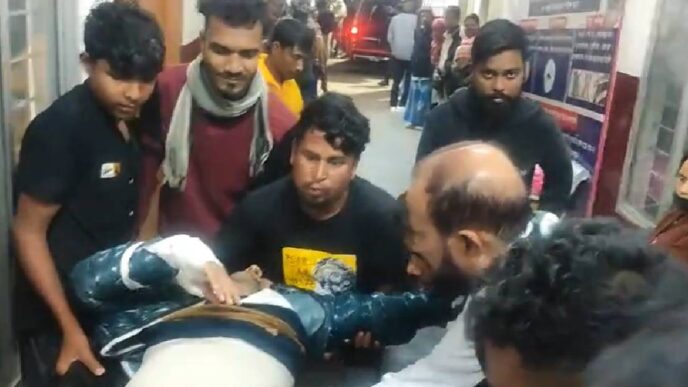


As the year comes to an end, Assam is still grieving the loss of its most loved cultural icon, singer and actor Zubeen Garg. Three months after his death in Singapore on September 19, the pain has not faded. Instead, it has grown into one of the biggest public campaigns the state has ever seen.
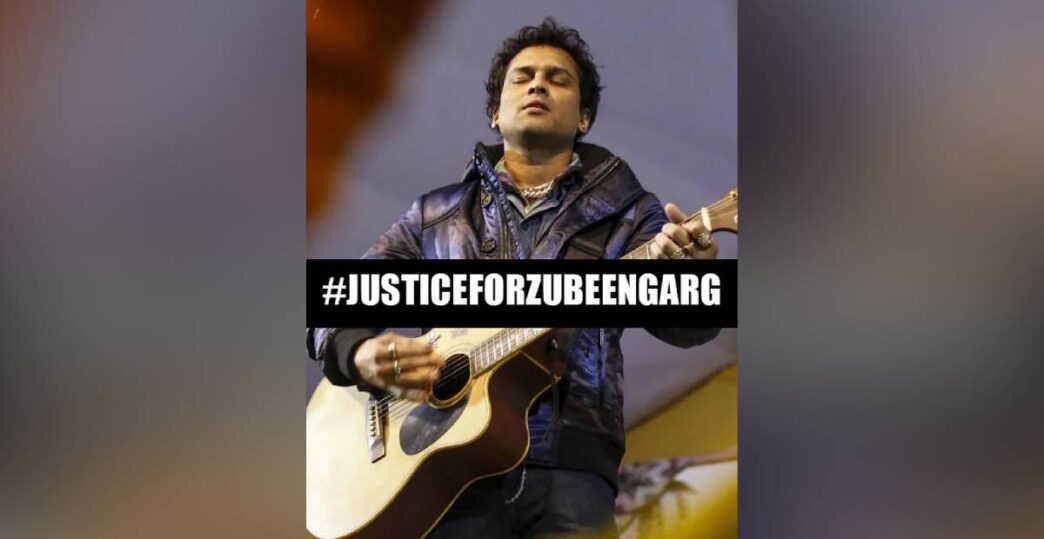
Across social media platforms, the hashtag #JusticeForZubeenGarg has now crossed more than 7 million posts. From Facebook to Instagram and X, people continue to write, share, and demand answers about what really happened to the artist who meant so much to the Northeast. For many, these posts are not just about grief, but also about hope that the truth will come out.
The movement began slowly. Zubeen’s wife, Garima Saikia Garg, first used the hashtag as a quiet tribute. His sister, Palmee, urged fans to keep his memory alive online. Actor Amrita Gogoi also spoke up, and soon the campaign exploded. Within weeks, lakhs of people were sharing memories, photos, and emotional messages. Candlelight marches were held in Guwahati. Tributes appeared on beaches and in small towns. Even Assamese communities living abroad joined in. 
What keeps the campaign going is the growing doubt and unease over how the case has been handled. Singapore authorities described the incident as a drowning while swimming, ruling out foul play early on. But many in Assam felt that the story did not add up. Questions were raised about whether he was swimming or scuba diving, and why some details appeared unclear or delayed.
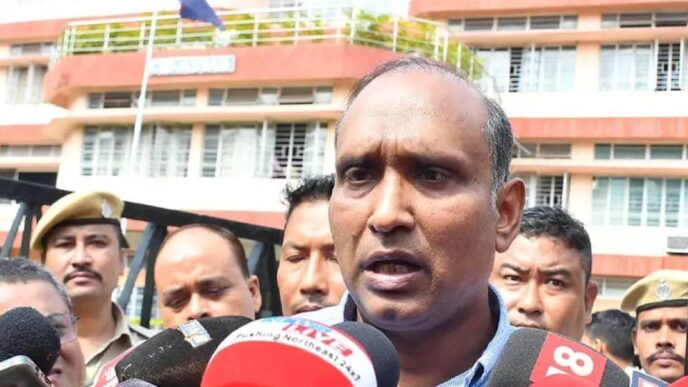
In India, the investigation took a sharp turn when Assam Police arrested seven people, including festival organiser Shyamkanu Mahanta, Zubeen’s manager Siddhartha Sharma, relatives, band members, and security staff. The chargesheet filed earlier this month pointed to serious negligence and possible conspiracy.
Garima’s post after reading the chargesheet struck another emotional chord. She asked why certain safety steps were ignored, and why last-minute travel changes were made. Her words reminded people that this movement is not only about one family; it is about a public figure who belonged to everyone in Assam.
For many, Zubeen was more than a musician. He spoke for farmers, flood-affected families, environmental causes, and social justice. His songs carried the emotions of the people. He united communities at a time when divisions felt stronger than ever. That is why his loss feels deeply personal.
As 2025 closes, the campaign remains strong. A coroner’s inquiry is expected to begin in Singapore, while the legal process moves forward in India. Supporters say they will keep the hashtag alive until all doubts are cleared.
Across Assam, his songs still play at homes, fairs, and Bihu celebrations. And along with the music, one message continues to rise online and in public spaces: