
Meghalaya’s cement industry has warned the state government that the recent 16-day strike by the Meghalaya Commercial Truck Owners and Drivers Association (MCTODA) has caused serious disruption in the supply of cement and clinker from the Jaintia Hills region. Industry representatives have also raised concerns over the truckers’ demand to increase freight rates, saying it could destabilise the state’s construction sector, which is still recovering from the strike’s impact.
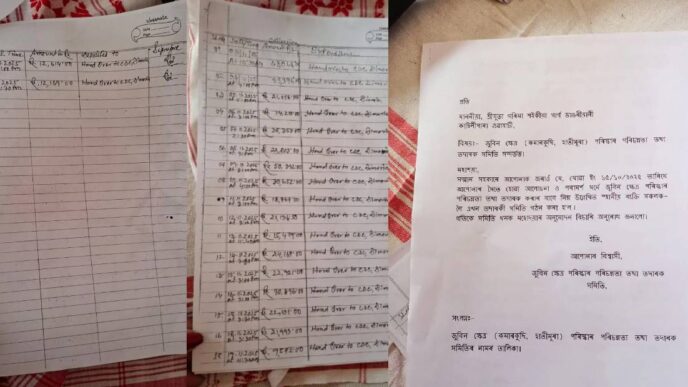
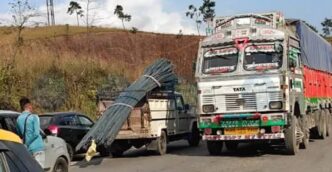
The strike, which lasted from October 27 to November 11, halted movement of vehicles across the Lumshnong–National Highway 6 corridor. In a memorandum submitted to the Deputy Chief Ministers, the Jaintia Hills Cement Manufacturers Association (JHCMA) said the agitation not only blocked trucks belonging to association members but also affected vehicles operated by others along the route. Cement plants were forced to reduce production, accumulate unsold stock, and face financial losses, while builders and retailers across Meghalaya struggled with limited supply.
After government intervention led to the strike being called off on November 11, discussions were held between trucker associations and plant representatives. During these talks, JHCMA said, MCTODA demanded a hike in the existing freight rate from ₹7 per tonne-kilometre to ₹9 per tonne-kilometre for cement and clinker. The manufacturers stressed that the companies are already paying about 35% more than the market rate to around 80 association-linked trucks operating daily from Lumshnong. Raising the rate further would make freight charges nearly 70% higher than non-association vehicles, creating unsustainable logistics costs. 
JHCMA cited the Lumshnong–Byrnihat route as an example. Currently, market rates are around ₹1,000 per metric tonne, while association-linked trucks are paid roughly ₹1,370 per MT. At the proposed rate, costs could exceed ₹1,700 per MT, a rise the manufacturers called uneconomical. They warned that such a steep increase would likely push retail cement prices up, affecting homebuilders, contractors, and public works projects.
Over 100 cement dealers across the state have reportedly expressed concerns, highlighting that the benefits of a higher freight rate would largely go to a small group of truck owners, while the general population would face higher construction costs.
The memorandum also referred to the Motor Vehicles Act, noting that the government’s authority to fix or revise freight rates is limited and any official notification of the ₹9 rate would require careful legal scrutiny.
JHCMA urged the state government to ensure freight rates remain aligned with market conditions and to take measures to prevent prolonged disruptions along key transport routes. The association said that structured dialogue with transporters, rather than strikes, is essential to maintain a stable supply chain and safeguard Meghalaya’s economic growth.