
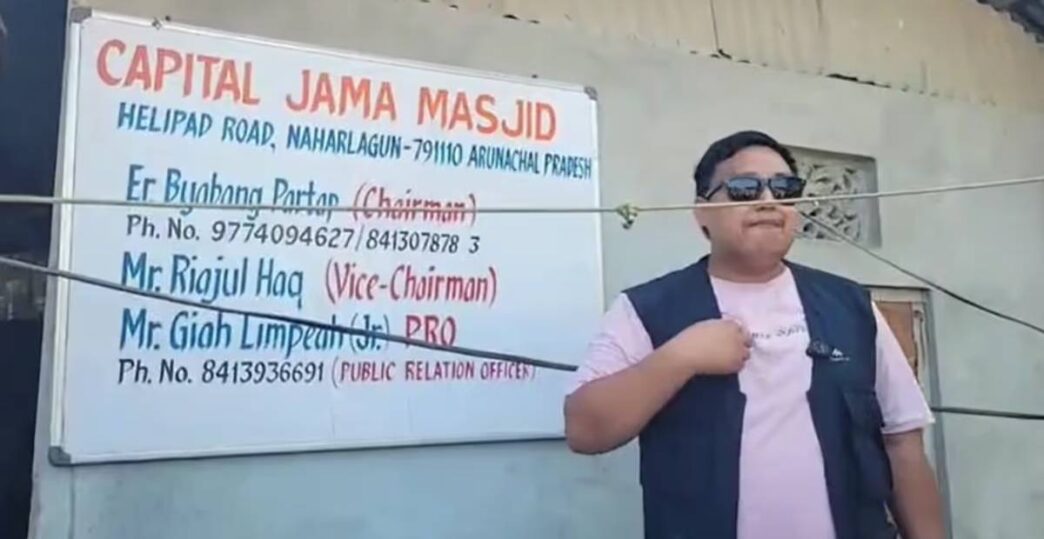
Arunachal Pradesh is facing a tense and sensitive moment as a recent drive to check the legality of mosques and identify illegal migrants has stirred fear among sections of the Muslim community and sparked a sharp political debate. What began as an administrative exercise has now become a broader discussion about trust, identity, and the limits of community action.
In the past week, several videos and posts alleging “anti-Muslim” behaviour began circulating online. At the centre of the controversy is the Arunachal Pradesh Indigenous Youth Organisation (APIYO), which has been conducting inspections of mosques and verifying documents of individuals it suspects to be illegal migrants. The group insists it is only targeting illegal entrants and unauthorised structures, not the Muslim community.
APIYO president Taro Sonam Liyak has denied all claims of communal intent. He has said that the drive is not aimed at any religion and that the organisation is only concerned about Bangladeshi nationals entering the state without valid papers. He has also accused critics of sharing edited videos to damage his reputation and confirmed that cases have been filed against those spreading false allegations. 
However, the impact of these actions is being felt far beyond the stated objective. Many Muslims who have been living and working in Arunachal Pradesh for decades as labourers, traders, drivers, mechanics, and vendors say the sudden focus on their identity is frightening. A long-time resident who came to Arunachal in 1990 said he now fears for his safety simply because he is a Muslim. His concern reflects the growing anxiety among workers from Assam, Bihar, West Bengal and other states who are part of the local economy.
Community members say they support strict action against illegal migrants, illegal religious structures, and unauthorised activities of any kind. But they are worried about the way inspections are being carried out by non-official groups. They point out that law enforcement agencies, not private organisations, should handle verification to prevent profiling and unnecessary suspicion.
A reckless online remark that recently went viral accusing “workforce Muslims” of coming to Arunachal to “marry, multiply and call us kafir” has also added to the tension. Many fear that such statements could push public sentiment into a dangerous communal space.
The state government has tried to calm the situation. Home Minister Mama Natung has directed district authorities to make sure that no one takes the law into their own hands. He has assured that no person in the state will be discriminated against because of religion, tribe or caste. His intervention has brought some relief, but community leaders say the situation needs firm and consistent administrative handling to prevent further misunderstanding.
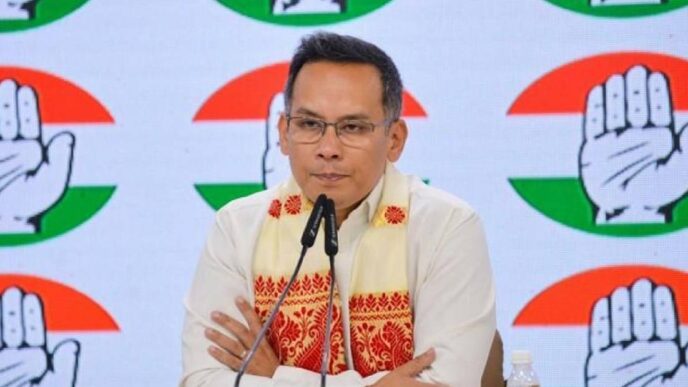
The political debate around the issue is growing louder. The Arunachal Pradesh Congress Committee has accused the BJP government of allowing communal tension to rise and turning the state into what it calls a “haven of illegal immigrants.” It has warned that Arunachal should not become a “laboratory for divisive politics.” The party has demanded a high-level inquiry into illegal migrants, verification of structures, and strict action against those spreading hate.
While both sides trade accusations, many in the state believe the real challenge is to balance the protection of indigenous identity with fair treatment of all communities. Arunachal has always valued peace and coexistence, and people fear that allowing mistrust to grow could damage the social harmony for which the state is known.