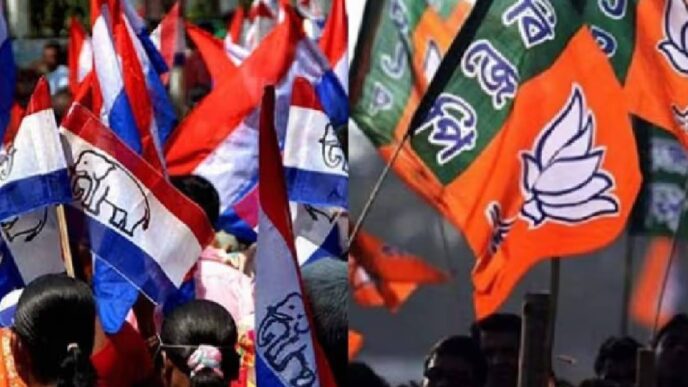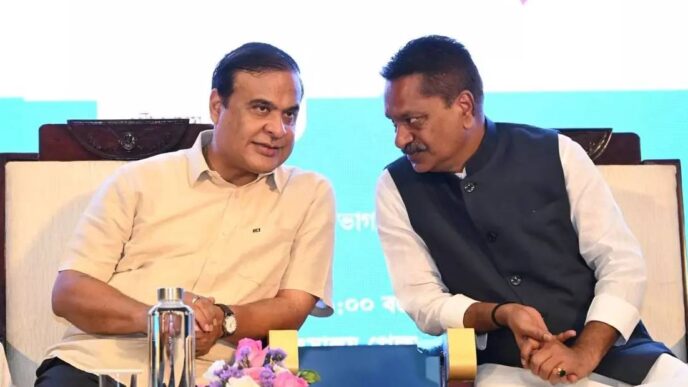

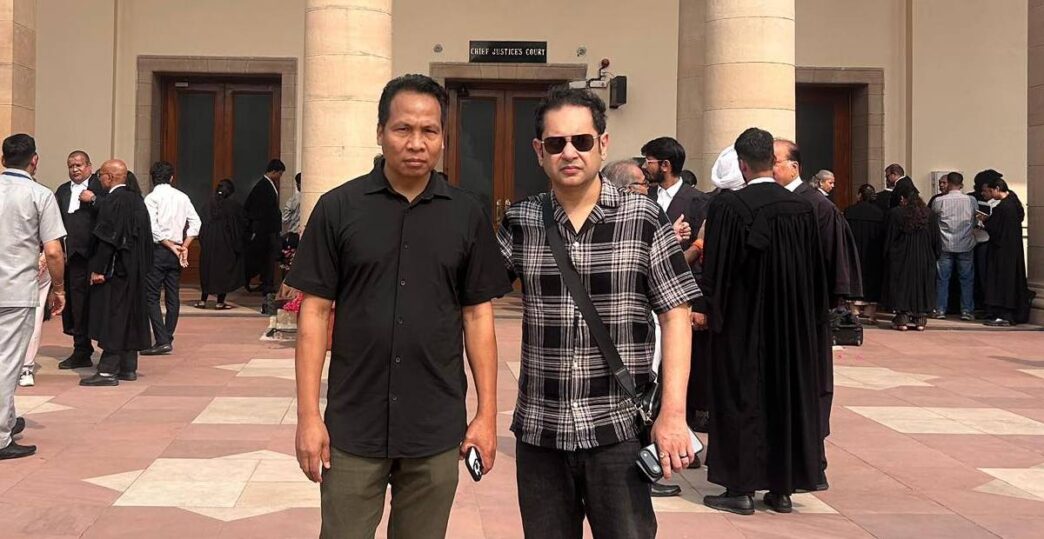
The demand for timely Village Council (VC) elections in the Tripura Tribal Areas Autonomous District Council (TTAADC) has taken a major turn, as the Supreme Court has now rejected the state government’s request for an extension. This decision has set the stage for a crucial hearing on Monday, marking an important moment in the long-running battle over delayed polls in the tribal council areas of Tripura.
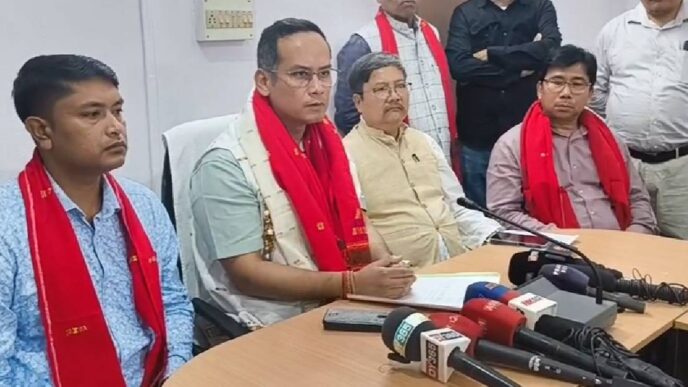
TIPRA Motha chief Pradyot Bikram Manikya Debbarma expressed that this development is a big step forward for the indigenous people of Tripura who have been waiting for their democratic rights to be restored at the village level. He said that the delay in the VC elections has continued for far too long and that indigenous communities deserve elected village representatives to manage local affairs and development.
This latest update comes after an earlier move by TIPRA Motha on October 7, when Pradyot Debbarma and senior leaders Ranjit Debbarma and Jagadish Debbarma approached the Supreme Court over the prolonged delay in conducting Village Committee elections in the ADC areas. After filing the case in New Delhi, Pradyot had stated that the Chief Justice of India had listened to their submission and assured that a hearing would be held toward the end of the month. 
Pradyot had then written on social media that the delay in holding the VC elections is one of the longest in India’s democratic history. He argued that elections at the grassroots level are essential for proper governance in the Sixth Schedule areas, where tribal communities depend on elected committees to address local needs, development issues, and community matters.
For many months, TIPRA Motha and tribal residents have been alleging that the state government has intentionally pushed back the elections, leaving the local bodies without elected representation. According to party leaders, this has affected decision-making, slowed development work, and weakened grassroots administration across tribal villages.