
Sikkim will open two of its most sensitive and historically important border areas; Doklam and Cho La for domestic tourists from today marking a significant step in India’s expanding battlefield tourism initiative. The decision allows Indian citizens to visit locations that have played a crucial role in the country’s military history but have so far remained largely closed to the public due to their strategic importance.
The move is part of the central government’s wider Ranbhoomi Darshan programme, which aims to give people an opportunity to learn about major conflict sites across India and understand the sacrifices made by soldiers in protecting the nation’s borders. In Sikkim, the focus is on Doklam and Cho La, both of which hold strong historical and strategic significance.
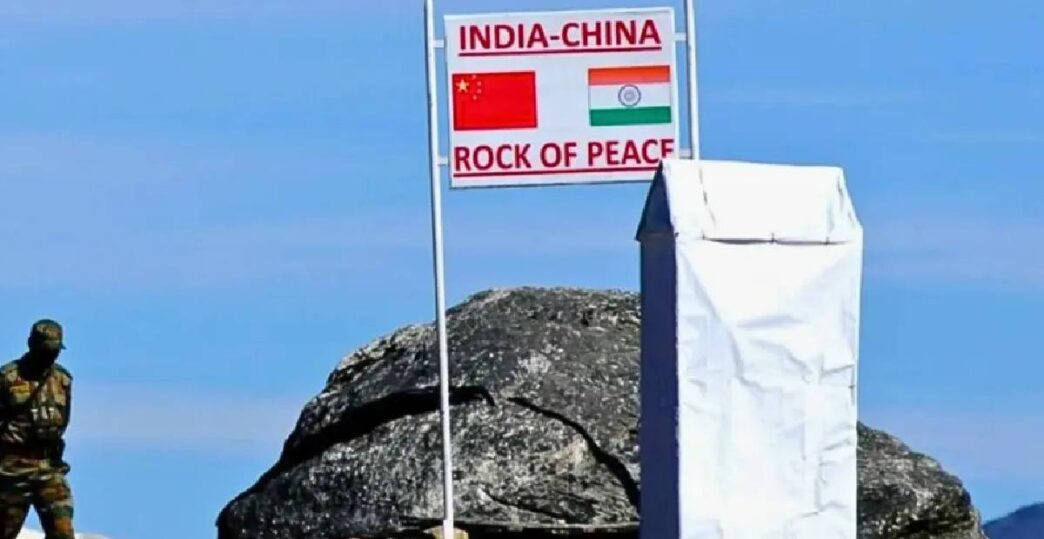
Doklam came into national and international focus during the 2017 standoff between Indian and Chinese troops near the India–China–Bhutan trijunction. The face-off lasted several weeks and highlighted the strategic sensitivity of the region. Cho La, on the other hand, is remembered for the 1967 clash between Indian and Chinese forces, a lesser-known but fierce confrontation that remains an important chapter in India’s military history. 
By opening these areas to tourists, the Sikkim government aims to combine history, awareness and responsible travel. Visitors will be able to see the terrain where these events took place and gain a better understanding of the challenges faced by troops posted in high-altitude border regions.
However, access to Doklam and Cho La will remain tightly controlled. Only Indian citizens will be allowed to visit, and a valid voter ID card will be mandatory for entry. Tourists will not be permitted to travel independently and must apply for passes through registered tour operators approved by the state authorities. This system is being put in place to ensure proper monitoring and coordination in these sensitive zones.
As part of the tourism guidelines, visitors will be required to book at least one night’s stay in a homestay located in nearby villages such as Kupup, Gnathang, Zuluk or Padamchen. This condition has been introduced to ensure that local communities directly benefit from the new tourism initiative. Homestay owners, local guides and drivers are expected to see new sources of income as a result.
Strict rules have also been framed for vehicles entering the region. Only cars with an engine capacity above 1,400 cc will be allowed, given the difficult terrain and weather conditions. There will be a daily cap on the number of tourist vehicles and bikes permitted to travel to these areas. In addition, tourist convoys will move under police or Army escort, keeping in mind the security sensitivity of the region.
The Sikkim government has said that it has worked closely with the Indian Army, the Home Department and local panchayats to design a system that balances tourism with national security and environmental protection. Officials have stressed that the aim is not mass tourism, but carefully regulated visits that respect both the strategic nature of the region and its fragile ecosystem.