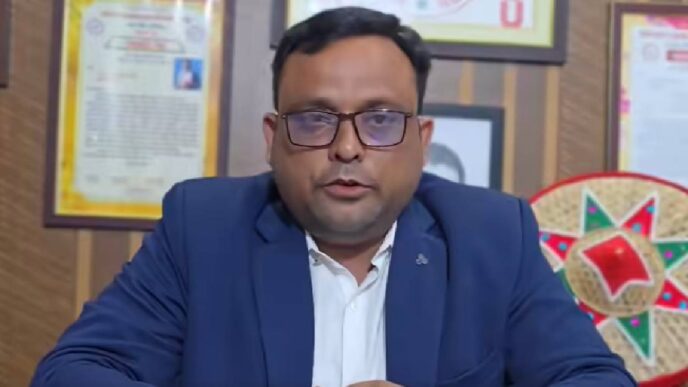

In Assam’s charged political climate, even a call for unity can quickly turn into controversy. That is exactly what happened with Congress leader Rejaul Karim Sarkar, whose statement on January 11 on equal development across Assam was misread, misquoted and turned into a political storm.
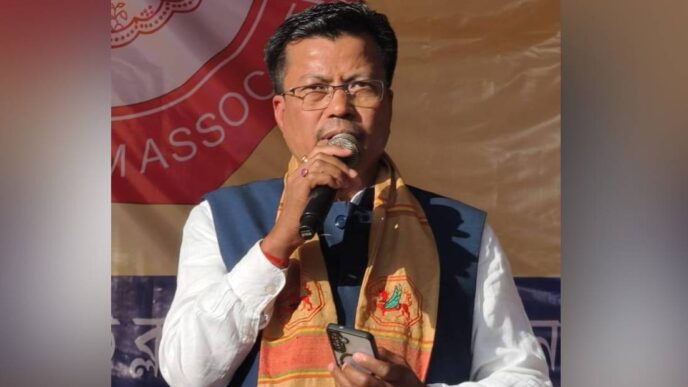
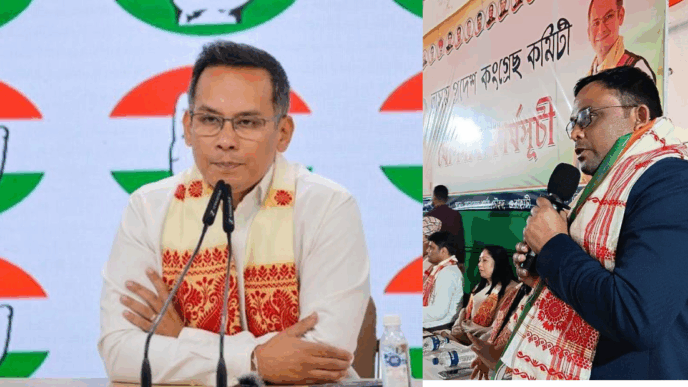
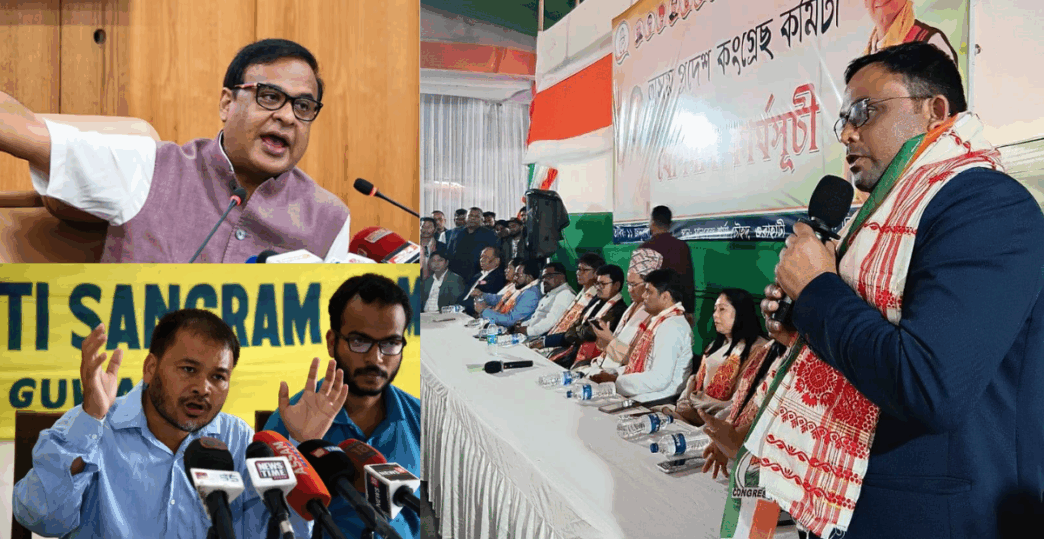
Sarkar, a former leader of the All Assam Minorities Students Union and a new face in the Congress party, spoke at the Manabendra Sharma Complex in Guwahati. The occasion marked his formal joining of the Congress in the presence of Assam Pradesh Congress Committee president Gaurav Gogoi. What was meant to be a message of shared growth and harmony soon became the centre of a heated political debate.
Speaking to party workers and supporters, Sarkar talked about his vision of a “Bor Axom”; a greater Assam where all regions grow together and no district is left behind. He spoke about walking “hand in hand” with people of all communities and regions, naming places such as Sivasagar, Dhubri, Tinsukia and Barak Valley. His focus was simple: development should reach every corner of the state equally. 
In his speech, Sarkar said that the level of development seen in places like Sivasagar should also be seen in Dhubri and vice versa. He spoke about peace, progress and equal opportunity stressing that Assam’s future depends on unity rather than division. There was no mention of migration, religion, or demographic change.
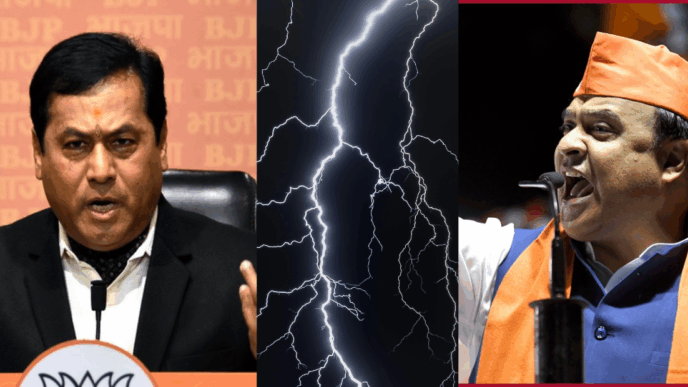
However, soon after the event, parts of Sarkar’s speech were selectively quoted and widely circulated, especially on social media. Critics, led by Chief Minister Himanta Biswa Sarma, claimed that Sarkar’s words were a threat to indigenous Assam. Sarma alleged that Sarkar wanted to turn upper Assam districts into “Miya land” by relocating people from Dhubri, a claim that Sarkar never made.
The Chief Minister went as far as calling Sarkar’s statement dangerous and warned that such ideas would threaten Assam’s social fabric. He linked Sarkar’s words to illegal migration and demographic imbalance, a sensitive issue in the state’s politics. BJP leaders and supporters echoed this interpretation, turning the issue into a major political attack on the Congress.
Adding to the criticism, Raijor Dal MLA Akhil Gogoi also questioned Sarkar’s intent, suggesting the statement could create unrest. Soon, headlines and debates painted Sarkar as someone trying to change the character of Assam’s historic regions, even though his original words spoke only about development and equality.
Faced with growing backlash, Sarkar responded quickly. He took to social media to clarify his statement, saying his words had been misunderstood and deliberately misrepresented. He explained that he never meant people should be moved from one place to another. What he meant, he said, was that development seen in one district should be extended to all others.
Sarkar said his vision of “Bor Axom” was about balanced growth; better roads, schools, healthcare and employment opportunities across Assam. He stressed that development should not remain limited to a few districts while others continue to struggle with floods, poor infrastructure, and unemployment.
The clarification made his intention clear. Sarkar was pointing to the sharp development gap between districts like Sivasagar, which benefits from heritage tourism and oil-related industries, and Dhubri, which often faces floods, weak connectivity, and limited economic opportunities. His argument was that every district deserves the same attention and investment.
This idea is not new to Assam. For decades, leaders, activists, and movements have spoken about the need for inclusive development. The Assam Movement of the 1980s, while centred on identity issues, also raised concerns about neglect and economic inequality. More recent development plans have repeated the promise of balanced growth, though implementation has often fallen short.
Sarkar’s background helps explain his perspective. Coming from a minority community, he has long spoken about inclusion without opposing indigenous rights. As a student leader, he worked on education and welfare issues that affected people across communities. Those who know him describe him as someone who prefers dialogue over confrontation.
Congress leaders, including Gaurav Gogoi, defended Sarkar, saying the controversy was created to divert attention from real issues like unemployment, rising prices, and uneven development. They accused the ruling party of using fear and identity politics to silence voices calling for equality.
The BJP, on the other hand, has built much of its political narrative around protecting indigenous interests and controlling illegal migration. By framing Sarkar’s statement as a demographic threat, the party tapped into long-standing fears, especially in upper Assam.
However, many point out that Dhubri’s population composition is the result of historical settlement patterns and natural growth over generations, not a sudden change. The district has long been part of Assam’s social and economic fabric and contributes through agriculture, trade, and fisheries.
At its core, this controversy reflects a deeper problem in Assam’s politics: the tendency to turn development discussions into identity battles. While leaders argue over words, issues like flood control, job creation, healthcare, and education continue to affect people across communities.
As Assam moves closer to future elections, such debates are likely to increase. Sarkar’s speech, stripped of political spin, was a call for unity and shared progress. Whether one agrees with him or not, misrepresenting words only deepens mistrust.
In a state with a history of conflict and division, genuine peace will come not from fear, but from fairness. Equal development, mutual respect, and honest dialogue remain Assam’s best path forward.